Part IV of DeFIFA, a series on sports, policing, & incarceration
Today marks the end of the Men’s World Cup (MWC) group stage matches being played in Seattle, leaving only two more matches to be played here in July. Fittingly, we have six parts total of DeFIFA, the zine I’ve been working on with my friends Leslie McCallum and Cameron Michels. In parts one, two, and three of the zine, we’ve discussed the larger context around incarceration and sports, including the impacts to Seattle as a whole from the MWC.
Today we’re turning our attention to the place where the matches are being played: the stadium itself. And when I was proofreading this section, I was thinking about how the security practices we describe at the stadium’s border are probably going to seem unremarkable to most people reading this, particularly readers in the US. We’ve become so used to systems of policing and surveillance, which have only accelerated post-9/11, that we may assume these measures are necessary to keep us safe.
I want to forecast that in the last part of the zine, we’ll discuss what safety actually means and how we can dream of a world where security doesn’t create its own harms. So please keep that in mind while reading today’s piece, and also make sure to stick with this post until the end, where we offer some free and easy ways to act against the harms caused by the MWC!
The area immediately around stadiums can operate as a way to enforce a border, which, as Harsha Walia (author of Border and Rule: Global Migration, Capitalism, and the Rise of Racist Nationalism) notes, “…are not only about demarcating space and territory[;] these regimes are also about reproducing and maintaining racial capitalism, racial citizenship, imperialism, and more.” MWC’s stadiums are “Clean Zones” that FIFA literally says are “defined by an imaginary line on a map, not a physical barrier, and restrict the commercial activities of unauthorised businesses on matchdays and on the days leading up a match during tournament time. Clean Zones are prescribed by local laws or regulations to provide additional legal protection against prohibited marketing activities, such as the distribution of promotional items or flyers by non-sponsor businesses, unauthorised traders, the sale of counterfeit goods and unauthorised ticket sales” – rules which may actually violate free speech protections in the US.
In Seattle, MWC games are being played at Lumen Field, which is called “Seattle Stadium” in official MWC communications because FIFA does not recognize brand naming rights unless the company is a sponsor of the MWC. Lumen used to be known as the “Clink” before their brand sponsor CenturyLink rebranded as Lumen Technologies, “clink” being slang for a jail, which is in reference to a prison that operated in London for 600 years. The stadium is the home of three Seattle sports teams – Seattle Reign FC, Seattle Sounders FC, and the Seattle Seahawks – and also hosts numerous concerts and events throughout the year, which means that Lumen already has numerous security measures and regulations for fans and fan behavior.
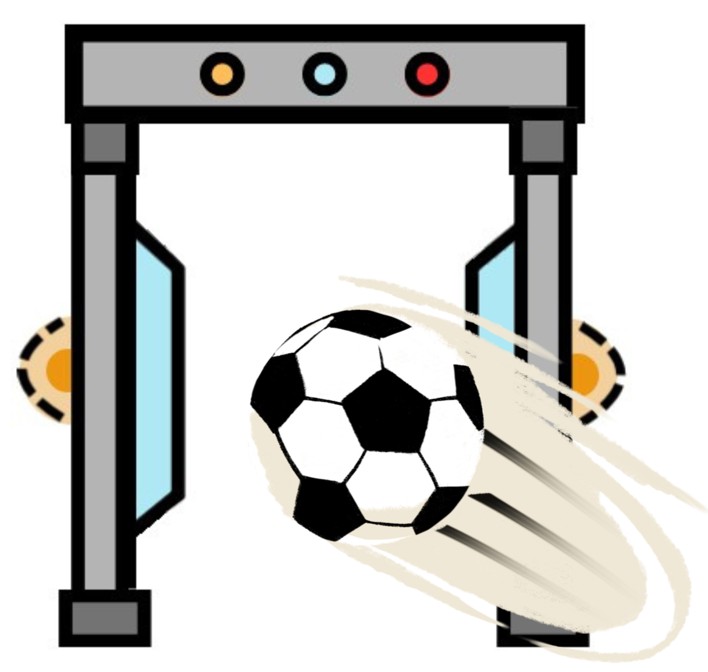
Lumen installed walk-thru metal detectors in 2016 ahead of receiving DHS’s SAFETY Act Certification for using “anti-terrorism technologies” to collaborate with federal agencies. Lumen’s Clear Bag Policy means that fan’s bags are limited in size, must be clear if larger than a wallet, and are searched by security, a practice that became more standardized following the Boston Marathon bombing in 2013. And their list of permitted and prohibited items includes distinctions that might not immediately be intuitive. For instance, fans are allowed to bring in battery-operated heated items but not battery-operated clothing that lights or inflates, tablets but not laptops, bicycle helmets but not motorcycle helmets, binoculars and personal cameras but not binocular or camera cases, and more. And then there are rules around banners and signs, which are only allowed if they are not commercial, offensive, or political in nature, leaving the definition of “political” up to the discretion of Lumen staff.
The MWC further complicates entry to the stadium. Due to the expected crowds for the MWC, security measures include taking over the entire north parking lot, new ingress and egress gates, a security barrier, and at least 30 security guards, four supervisors, and six crowd-control stewards at the entrances – in addition to police officers from SPD and KCSO. FIFA’s list of prohibited items is also more extensive than Lumen’s. A few differences that stand out: strollers are prohibited; binoculars are not permitted except for “partially-sighted Ticket Holders”; and while Lumen typically allows fans to bring in reusable water bottles as long as they are not metal and are empty when entering the stadium, FIFA will only allow each person to bring one factory-sealed 20-oz disposable water bottle for MWC matches.
These measures are meant to prevent weapons, alcohol, drugs, and other prohibited items from entering the stadium; in actuality it creates undue stress and opportunities for fans to be confronted by security if they are not following the incredibly detailed list of rules – confrontations that are always more risky for marginalized fans. Fans who use wheelchairs, other mobility devices, or metal implants have a harder time getting through metal detectors. If anything malfuctions with the metal detectors, personal searches can be incredibly fraught for everyone, but especially for trans and nonbinary people, disabled people, fat people, and more. Blind or low-vision fans may have to “prove” their disability to have binoculars. Parents of babies or toddlers are limited in how they can bring their children in. And despite the expected high temperatures of being outside in the summer, fans must purchase privatized water and are limited in how much they can have on them at a time, requiring multiple trips during the game to either purchase more water or refill their small bottles.
Next time, we’ll talk about surveillance and policing within the stadium itself. Until then, please take action at the links below if you can!
What You Can Do
Actions to Take
Organizations to Follow and Support
If we missed other organizations or collectives that are organizing and providing community care around the MWC in Seattle, email me at sivarajan [dot] deepa [at] gmail [com] and we’ll add them to the online version of this zine!